June 19, 2026
Maintaining a clean and hygienic outdoor environment in multi-pet households and professional animal facilities requires specialized strategies, commercial-grade equipment, and reliable logistical planning. Managing the accumulated waste from multiple animals presents significant spatial, behavioral, and sanitary challenges for property owners and community managers alike. Professional service providers address these complex demands by executing structured property sweeps and implementing scientific sanitation methods that ensure environmental safety. This comprehensive guide examines the specific methodologies employed to maintain clean environments, emphasizing operational reliability and long-term property health.
Overcoming Spatial and Behavioral Challenges in Multi-Pet Environments
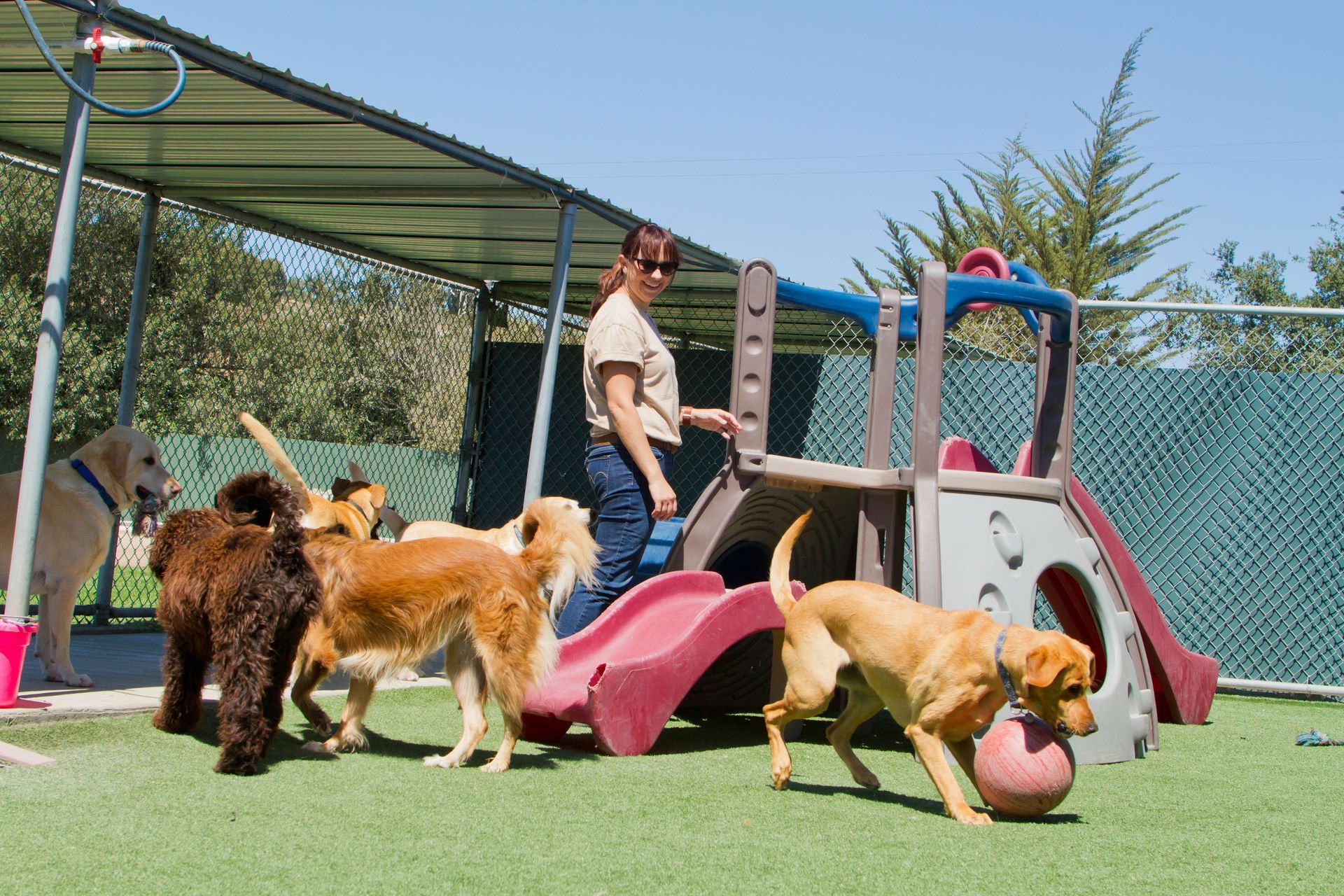
Managing multiple animals within a single property presents diverse sanitation demands due to variations in canine size, breed, and physical health. According to the Environmental Protection Agency, the typical dog excretes three quarters of a pound of waste per day, or 274 pounds per year. This substantial volume accumulates rapidly in high-traffic settings, such as multi-family residential complexes or community dog parks, necessitating customized removal strategies tailored to local canine populations. Professional dog waste cleanup services adjust service frequencies based on these population metrics to prevent turf deterioration and maximize environmental hygiene.
Space constraints present additional challenges in urban residential zones or compact suburban landscapes where restricted yard spaces accelerate lawn contamination. Without consistent, systematic clearing, restricted outdoor enclosures quickly become hazardous, increasing the likelihood of cross-contamination and tracking into living areas. Professional removal teams utilize precise grid-search techniques to thoroughly clear small areas, mitigating the build-up of parasites and maintaining functional recreational spaces for families. Consistent intervention ensures that limited yards remain usable and aesthetically pleasant despite heavy daily use by multiple pets.
Varied behavioral patterns among domestic dogs introduce further complexity, affecting how fecal material is distributed across a specific landscape. Unproductive habituation or territorial marking can result in highly unpredictable distribution patterns, requiring field operators to remain observant and adaptive during property sweeps. Collaborating with behavioral insights allows specialists to anticipate primary elimination zones based on yard boundaries, physical obstacles, or specific tracking tendencies. This focused methodology improves collection efficiency and minimizes disruption to resident animals during scheduled property maintenance visits.
Utilizing Specialized Sanitation Tools and Advanced Equipment
Acquiring commercial-grade tools is foundational for executing thorough sanitation routines across diverse terrain profiles, including dense turf, gravel, and decorative hardscapes. Industrial-strength scooping equipment must feature non-porous, easily sanitized surfaces that prevent the structural adhesion of organic matter during field operations. Employing specialized, surface-specific collection tools reduces mechanical transit time and ensures comprehensive removal without damaging fragile lawns or ground cover. These durable tools enhance operational efficiency, enabling technicians to handle high volumes of material safely across multiple consecutive appointments.
Secure containment systems and specialized waste disposal bags are critical components for maintaining sanitary conditions during the collection and transit phases. Heavy-duty, leak-resistant barriers prevent accidental punctures and isolate offensive odors, which is essential when managing large quantities from multi-pet properties. Established dog waste cleanup services implement dedicated, airtight containment units on service vehicles to isolate collected materials from public view and exposure. Utilizing these professional disposal receptacles safeguards local neighborhoods against odor pollution and reinforces community-level environmental hygiene standards.
Post-collection treatment requires the application of targeted sanitization and deodorization agents designed to neutralize microscopic pathogens and persistent odor molecules. Eco-friendly, enzyme-based solutions break down volatile organic compounds at the molecular level rather than merely masking unpleasant scents with artificial fragrances. Regular application of non-toxic disinfectants effectively eliminates hazardous environmental vectors, reducing the risk of viral and bacterial transmission among resident animals. This final treatment phase provides property owners with peace of mind, knowing their immediate outdoor living zones are scientifically sanitized.
Implementing Professional Training Protocols and Safety Compliance
Specialized vocational training programs provide technicians with the technical expertise required to navigate complex biological waste management scenarios safely. Instruction curricula emphasize advanced collection ergonomics, cross-contamination prevention, and the correct application of chemical disinfectant compounds. Ongoing professional development ensures field teams remain fully informed regarding emerging zoonotic threats and technical advancements within the sanitation industry. Educated personnel execute property maintenance tasks with superior precision, maximizing workplace safety and delivering consistent, high-standard results for clients.
Comprehensive knowledge of regional environmental health codes and municipality ordinances is mandatory for maintaining legal operational compliance within the industry. Municipal regulations often dictate specific parameters regarding legal disposal locations, transport restrictions, and permissible sanitization compounds to protect local watersheds. Adhering to these community standards protects property owners from potential legal citations or municipal fines associated with improper waste accumulation. Certified dog waste cleanup services maintain rigorous documentation and tracking records to guarantee all collected materials are processed through approved municipal channels.
Enforcing strict personal protective equipment protocols and field safety procedures protects both service personnel and residential clients from biological contamination. Technicians utilize specialized footwear sanitization baths between properties to eliminate the possibility of transferring parvo, giardia, or other pathogens from yard to yard. Standard field guidelines mandate the use of nitrile barriers, disposable sanitizing wipes, and secure transport cases for all field equipment. These careful steps ensure that routine property maintenance never inadvertently compromises the health of local pet populations.
Optimizing Logistics Through Strategic Route Planning
Integrating Geographic Information Systems allows service managers to analyze regional client distribution patterns and model local waste accumulation densities accurately. Mapping software identifies geographic clusters, enabling operational administrators to schedule high-frequency properties along highly structured service corridors. This analytical methodology minimizes vehicle idle times, lowers operational overhead, and ensures field teams arrive promptly during designated service windows. Data-driven mapping enhances systemic reliability, allowing companies to scale their dog waste cleanup services smoothly across expanding suburban and urban service territories.
Optimizing daily transit patterns through advanced routing software significantly lowers vehicle fuel consumption and reduces overall time spent between property assignments. Software algorithms analyze current traffic flow, seasonal road restrictions, and property proximity to establish the most efficient chronological sequence for field technicians. Reduced travel times translate directly into greater scheduling flexibility, enabling rapid responses to urgent, short-notice client requests or seasonal cleanup adjustments. Maximizing transit efficiency supports environmental sustainability initiatives while ensuring residential properties receive consistent, dependable maintenance.
Developing adaptable time-allocation guidelines allows field technicians to manage properties of varying structural complexities without compromising operational thoroughness. Each yard receives a customized time allocation based on total acreage, canine population density, and specific landscaping features like dense shrubbery. This structured time management strategy prevents rushed collections, guaranteeing that every segment of a property is examined with equal care. Efficient time tracking optimizes overall business workflows, ensuring that daily schedules remain accurate and predictable for waiting clients.
Fostering Long-Term Client Relationships and Sustainability
Establishing clear, transparent parameters regarding the scope of property maintenance services is essential for building strong, reliable client relationships over time. Initial property consultations define exact service boundaries, chosen frequencies, and specific treatment options to ensure complete alignment regarding performance standards. Open communication channels encourage active client engagement and allow dog waste cleanup services to adapt to changing household circumstances, such as adding a new pet. Cultivating professional transparency ensures consistent service execution and builds long-term consumer trust across the entire customer lifecycle.
Prioritizing sustainable, eco-friendly disposal options minimizes the long-term ecological footprint of professional waste management operations within the communities they serve. Utilizing biodegradable collection materials accelerates natural decomposition processes, reducing the accumulation of long-lasting plastic waste in regional landfills.
Managing pet waste in multi-canine households requires a disciplined combination of behavioral understanding, specialized equipment, and consistent scheduling. Contracting reliable dog waste cleanup services ensures that properties remain safe, sanitary, and aesthetically pleasing throughout the year, removing the physical burden from busy owners. Relying on professional expertise mitigates environmental health hazards and preserves the natural beauty of shared residential landscapes. For more information about the services that we offer, reach out to our incredible team at Kris' K9 Klean Up today!